By Vlatka Hlupic
•
June 8, 2026
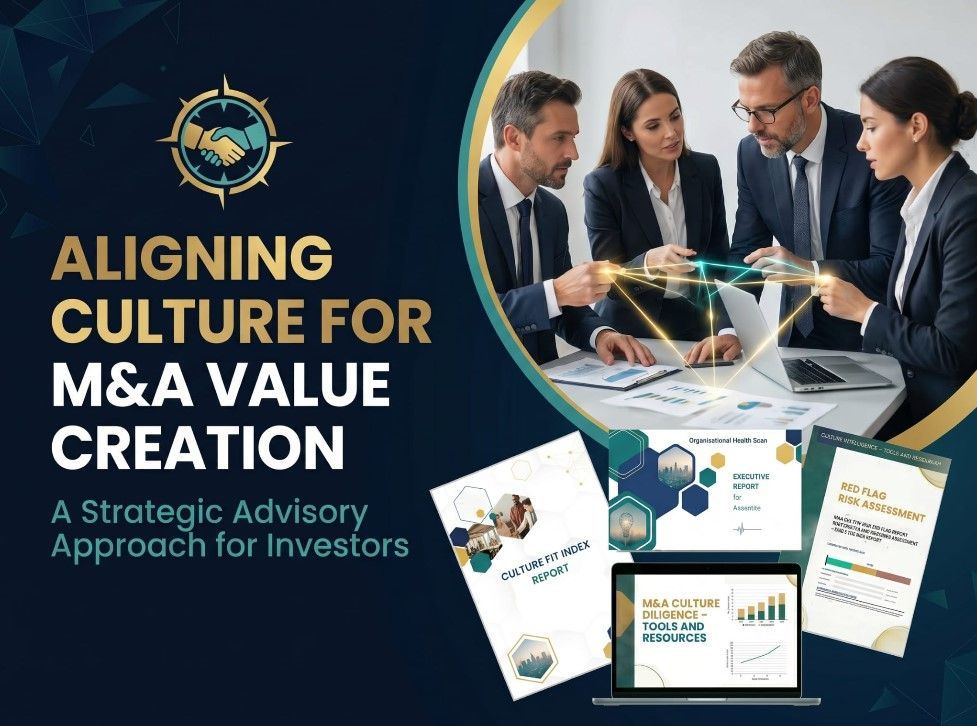
For individual managers and employees, a merger or acquisition is rarely just a corporate event. It is often a deeply disruptive period marked by uncertainty, shifting power dynamics, heavier workloads, and the emotional strain of not knowing what the future holds. What leaders call “post-merger integration” can feel, on the ground, like tension, confusion, and constant adaptation. People may suddenly find themselves working with unfamiliar policies, new colleagues from different organisational or national cultures, and managers who do not yet know their capabilities. In that environment, it is understandable that many employees experience anxiety rather than excitement. This is why the human side of M&A matters so much. A deal may look successful on paper, but if people feel ignored, imposed upon, or forced to assimilate into a culture they do not recognise, the organisation can lose trust, talent, and momentum very quickly. The danger of imposing culture One of the most common mistakes in M&A is assuming that one legacy culture should simply absorb the other. That approach may appear efficient, but it often creates resistance, resentment, and disengagement. People do not commit easily to what they feel has been done to them rather than with them. A more effective approach is alignment. Instead of trying to impose a single way of working, leaders should identify what should be preserved, what must evolve, and where new shared norms can be created. That requires listening, clarity, and deliberate cultural design from the outset. Five steps for navigating change in M&A For managers and employees, surviving M&A begins with understanding that uncertainty is normal, but passivity is not helpful. The most effective people do not wait for clarity to arrive on its own; they actively look for it, build relationships, and stay close to what is changing. In practice, this means being curious, adaptable, and intentional about where to place your energy. Those who help build bridges across legacy groups often become trusted contributors in the new organisation. 1. Stay visible and connected Withdrawing during M&A may feel like self-protection, but it often signals disengagement to others. Instead, keep your relationships active, attend key meetings, and contribute to conversations that matter. Make sure leaders and peers see you as engaged, reliable, and committed to the transition. Visibility is not about self-promotion; it is about demonstrating that you are part of the solution, not part of the problem. 2. Learn the new landscape quickly M&A reshapes who holds power, how decisions are made, and what priorities matter. Take time to map out the formal structure and the informal networks that drive action. Identify who influences decisions, how information flows, and what success looks like in the new organisation. The faster you understand this landscape, the better you can position yourself, navigate politics, and contribute meaningfully. 3. Focus on what you can influence You will not control every decision, timeline, or structural change. Trying to do so drains energy and creates frustration. Instead, concentrate on your immediate responsibilities, your relationships, and the value you can deliver today. Protect your emotional and mental energy by letting go of what is beyond your control and investing in what you can shape. This approach builds resilience and keeps you effective during uncertainty. 4. Be curious and adaptable Curiosity is a strategic advantage in M&A. Ask questions, listen carefully, and seek to understand the reasoning behind changes rather than assuming they are wrong or temporary. People who adapt early are more likely to be seen as allies, not obstacles. The mindset that served you in the old organisation may not work in the new one; being open to new ways of working positions you as someone who can thrive in the future organisation, not just survive it. 5. Build bridges across legacy groups M&A often creates “us versus them” dynamics that damage trust and slow integration. You can counter this by connecting people across legacy groups, sharing information fairly, and avoiding tribal thinking. Help create psychological safety by treating everyone with respect, regardless of their original company. Those who build trust across former boundaries often become stabilising forces during integration and are viewed as natural leaders in the combined organisation. Why culture needs measurement This is where culture diligence becomes essential. The Organisational Health Scan (OHS) from The Culture Intelligence Institute helps leaders assess the real state of the organisation across the factors that shape performance, trust, and execution. It combines evidence-based questions with both qualitative and quantitative insight to show where the organisation is healthy, where friction exists, and where risk may be building. Rather than relying on assumptions or anecdotal feedback, leaders can use the OHS to identify strengths, surface hidden challenges, and understand what kind of intervention is needed. It also provides a clearer picture of leadership alignment, cultural readiness, and the impact of systems, relationships, and strategy on day-to-day performance. That makes it easier to support people through transition, rather than simply expecting them to adapt. It is particularly valuable in periods of change, such as mergers, acquisitions, restructuring, or rapid growth, when culture can either accelerate progress or quietly undermine it. By giving leaders a structured and objective view of the organisation, the Scan helps them move from instinct to informed action. Just as importantly, it creates a shared language for leadership teams, enabling more constructive conversations about what is working and what needs attention. That makes cultural issues easier to address early, before they become embedded and more costly to resolve. Aligning instead of assimilating The strongest mergers are not built by forcing one culture to dominate another. They are built by alignment: shared goals, shared language, and shared leadership behaviours that respect differences while creating coherence. That approach is more humane, more sustainable, and ultimately more effective. Employees are far more likely to thrive when they feel included in shaping the new organisation, not erased by it. M&A will always be disruptive. But disruption does not have to become damage. With thoughtful leadership, clear communication, and culture intelligence, it is possible not only to survive a merger, but to grow stronger through it. #MergersAndAcquisitions #PostMergerIntegration #CultureIntegration #OrganisationalHealth #Leadership #ChangeManagement #EmployeeExperience #CultureIntelligence #TheCultureIntelligenceInstitute #ValueCreation