Why Leadership Alignment Determines M&A Success
In M&A, strategy gets the attention. Leadership alignment determines whether the deal works.
Too often, acquirers focus on financials, synergies, and operating models, while assuming the combined leadership team will naturally align after close. The most common source of post-deal friction is not strategy, it is the collision of two leadership cultures, two decision-making styles, and two sets of assumptions about how value gets created.
That is where The Management Shift framework (Figure 1) is especially useful. It helps explain why leadership alignment matters so much, and why the move to Level 4 (of this framework) is critical in a merger context.
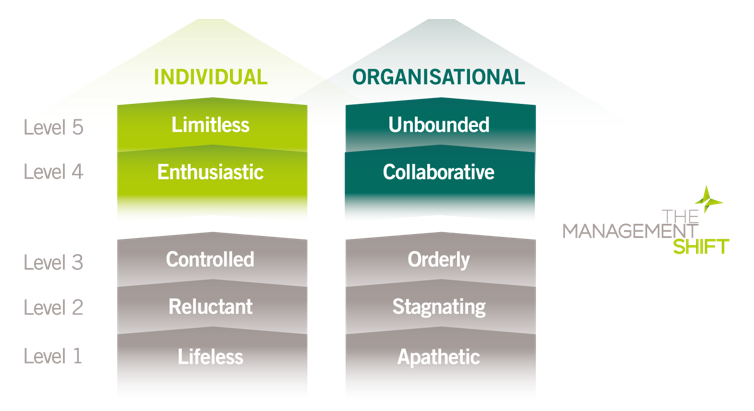
Figure 1. The Management Shift framework
The Level 4 Standard
In The Management Shift framework, Level 4 is the point at which organisations become collaborative, trust-based, empowering, and entrepreneurial.
That matters in M&A because a merged leadership team cannot operate effectively if it remains stuck in Level 3 habits: command-and-control behaviour, siloed thinking, slow decisions, and low trust. A Level 3 leadership group may look functional on paper, but under integration pressure it tends to default to protection, politics, and positional power.
A Level 4 leadership team, by contrast, can create the conditions for speed, openness, and shared accountability. That is exactly what a merger needs to build confidence across the business and avoid value erosion.
Why Alignment Fails
Leadership misalignment after a merger usually shows up in predictable ways.
- The acquirer assumes control means clarity.
- The target assumes autonomy means respect.
- One side wants standardisation.
- The other wants preservation of what made the business successful.
Without deliberate alignment, these tensions quickly weaken execution. People receive mixed messages, middle managers fill the vacuum, and the integration becomes a contest between legacy identities rather than a shared build of the new organisation.
Building a Level 4 Combined Company
The real task is not just combining two leadership teams. It is creating a cohesive Level 4 leadership team for the new combined company (with understanding when using elements of Level 3 occasionally might be appropriate).
That requires more than role allocation. It requires shared purpose, explicit trust-building, transparent decision rights, and a leadership culture that rewards collaboration over territorial behaviour. In practical terms, the new team must agree how it will make decisions, resolve conflict, communicate priorities, and model the behaviours expected across the wider organisation.
If the top team does not shift into Level 4, the rest of the business will not either. Culture always follows leadership behaviour.
What Good Looks Like
A strong merged leadership team should be able to do four things quickly.
- Speak with one voice on the deal thesis.
- Make decisions without reverting to legacy silos.
- Create psychological safety for honest challenge.
- Model the collaborative behaviours they expect elsewhere.
That is why leadership alignment is not a “soft” integration issue. It is one of the clearest indicators of whether the merged business can move from combination to performance.
The Bigger Lesson
M&A does not fail because leaders lack intelligence. It fails because they fail to align around a new operating culture.
The Management Shift framework is helpful because it reminds us that Level 4 is not a slogan. It is a disciplined way of leading that creates trust, accountability, and adaptability when they matter most. In merger situations, that shift is not optional. It is the foundation of a credible combined company.
If you are interested in aligning your leadership team around Level 4 following a merger, we would be pleased to discuss how we can help.
Contact Professor
Vlatka Ariaana Hlupic via LinkedIn or
contact us here.
#MergersAndAcquisitions #LeadershipAlignment #ValueCreation #PostMergerIntegration #CultureDiligence #PrivateEquity #ExecutiveLeadership #BusinessTransformation