The 5 Levels of The Management Shift: A Practical Framework for Culture Diligence in M&A

(c) 2026 Management Shift Solutions
In today’s deal market, most investment committees agree that “culture matters”, but very few can measure it in a way that informs price, structure and integration design. The 5-Level Management Shift framework (see Figure 1) offers exactly what the M&A community needs: a simple, evidence‑based language for describing culture that can be quantified, compared and translated into deal decisions.
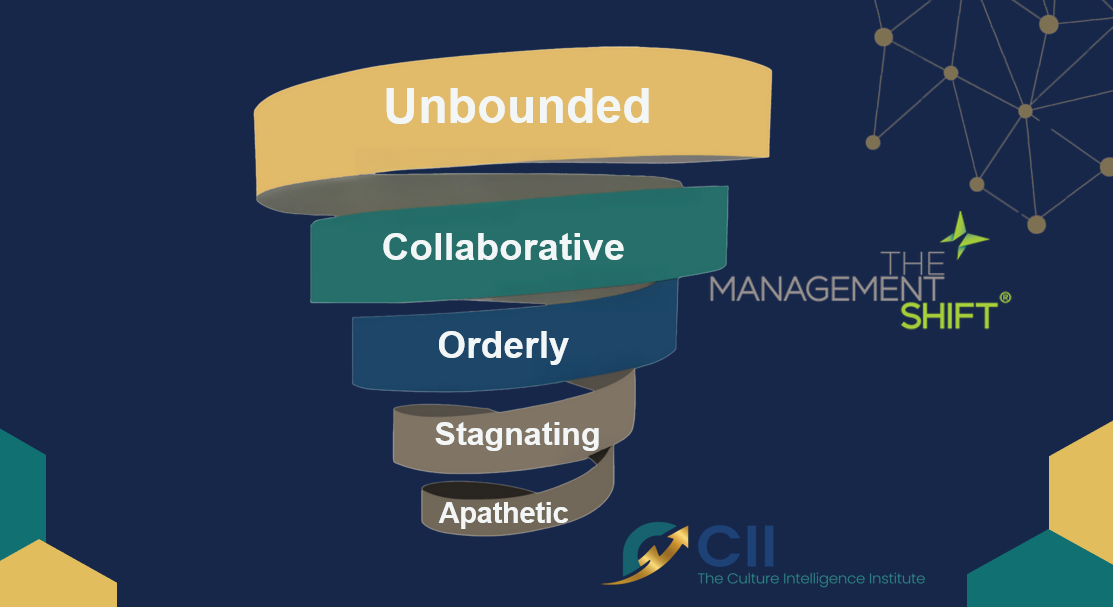
Figure 1. Five levels of culture in organisations
Below, I outline each level in M&A‑relevant terms, and how it can be used as a culture diligence lens across the deal lifecycle.
Why the 5 Levels of The Management Shift Framework Belong in the Data Room
The Management Shift model describes five distinct levels of mindset and organisational culture, from Lifeless (Level 1) to Limitless (Level 5). Each level has recognisable patterns of leadership behaviour, decision‑making, risk appetite and innovation, all of which directly affect synergy realisation, integration risk and value creation.
When you apply these levels as part of culture diligence, you can:
- Map acquirer vs. target culture levels before signing.
- Predict where integration friction and value erosion are most likely.
- Design a fit‑for‑purpose integration thesis (protect vs. merge vs. reverse integrate) rather than assume full standardisation.
Level 1: Apathetic Culture: Deal Risk Red Zone
At Level 1, the organisation feels lifeless and apathetic: high fear, blame, apathy and disengagement. In M&A language, this is a red‑flag culture where execution capacity is severely compromised and key people are often in survival mode, not value‑creation mode.
From a deal perspective:
- Operational and people‑related risk is extreme, think hidden liabilities, low psychological safety, and potential reputational issues.
- If a target sits largely at Level 1, the investment case must assume heavy turnaround, not “synergy lift”, and price/structure should reflect that.
- For acquirers, a Level 1 pocket inside your own portfolio signals post‑deal integration fatigue or leadership failure that can contaminate other assets.
In practice, a robust culture diagnostic should classify Level 1 as “exit” territory, not a place to build aggressive growth stories.
Level 2: Stagnating Culture: The “Minimum Viable” Operator
Level 2 is characterised by reluctant compliance: people do the minimum required, with low trust and low discretionary effort. From an M&A viewpoint, this is the “stagnant” culture and there is little appetite to change or innovate.
Implications for deals:
- Level 2 organisations are poor candidates for high‑growth value‑creation plans without significant cultural shift.
- For a PE buyer, Level 2 often signals a “maintenance” business hard to transform quickly.
- Integration plans that assume rapid adoption of new systems, cross‑selling or innovation will over‑estimate synergy speed if the dominant culture is Level 2.
Culture diligence at this level should ask: How much of the thesis depends on people going beyond the minimum? If the answer is “a lot”, the risk premium needs to increase.
Level 3: Orderly Culture: Classic Command‑and‑Control
Level 3 is the familiar command‑and‑control, rules‑driven organisation. There are clear hierarchies, defined processes and strong managerial control; performance can be solid, but agility is limited. For many large corporates and mature portfolio companies, Level 3 is the default operating system.
In M&A terms:
- Level 3 acquirers are often excellent at standardisation, integrating systems, processes and reporting quickly.
- The risk emerges when a Level 3 acquirer buys a higher‑level, more innovative target and applies the same integration playbook; culture diligence frequently identifies this as a key source of post‑deal value destruction.
- On the target side, a Level 3 culture may deliver predictable results but struggle to achieve transformational synergies or rapid innovation post‑close.
For culture diligence, Level 3 is a pivot point: it can either be a solid platform for scaling or a brake on innovation, depending on what you are acquiring.
Level 4: Collaborative Culture: The “Agile Asset” in Your Deal
Level 4 is where the organisation becomes collaborative, trust‑based and entrepreneurial: high engagement, distributed leadership, and strong intrinsic motivation. Research shows that Level 4 organisations often see significantly higher productivity and revenue. This is exactly the culture PE and strategic buyers hope they are paying for when they acquire innovative, high‑growth businesses.
In M&A language:
- A Level 4 target is your “agile asset”, the engine of innovation, customer intimacy and new product development.
- When a Level 4 target is acquired by a Level 3 buyer and forced into rigid processes and multi‑layer approvals, the asset breaks: innovation slows, key talent exits, and the deal underperforms.
- Effective culture diligence will highlight where the thesis depends on protecting Level 4 behaviours (e.g. experimentation, rapid decision‑making) rather than assimilating them.
Integration design here should prioritise protective ring‑fencing or reverse integration, allowing Level 4 ways of working to influence the wider group, rather than being suffocated by it.
Level 5: Unbounded Culture: Strategic Bets, Not Baseline
Level 5 is the “limitless” level: purpose‑driven, highly innovative, often working on breakthrough ideas and long‑term impact. Few organisations operate at Level 5 all the time; you tend to see Level 5 in specific teams or ventures (e.g. R&D, product labs, founder‑led units).
From an M&A standpoint:
- Level 5 units can be disproportionate value drivers, the source of new markets, IP and disruptive business models that underpin the equity story.
- They are also highly sensitive to bureaucratic integration; heavy‑handed control can cause them to lose their edge or their people.
- Culture diligence should identify Level 5 pockets early and recommend bespoke integration charters, clear rules about autonomy, decision rights and resource access.
Level 5 is where you place your strategic bets, not your standardisation templates!
Using the 5 Levels as a Culture Diligence Engine
To make the 5-Level framework actionable in M&A, it needs to be embedded in a structured culture diligence process, not treated as a leadership “nice‑to‑have”. A robust approach typically includes:
- Pre‑deal culture scan: Quantitative and qualitative data to place both acquirer and target on the 1–5 scale, by function and level.
- Risk and synergy mapping: Identifying where level gaps (e.g. 3 vs. 4) will create friction for the specific synergies in the deal model.
- Integration thesis: Using level insights to decide where to standardise, protect, or reverse‑integrate ways of working.
- KPIs and re‑scans: Tracking movement between levels over 12–36 months as a leading indicator of synergy realisation and people risk.
When boards and deal teams can point to a simple, research‑backed framework such as The Management Shift, culture stops being anecdotal. It becomes a shared language and a decision tool – one that belongs alongside commercial, financial and legal diligence in every serious transaction.
The Organisational Health Scan (OHS) for culture diligence
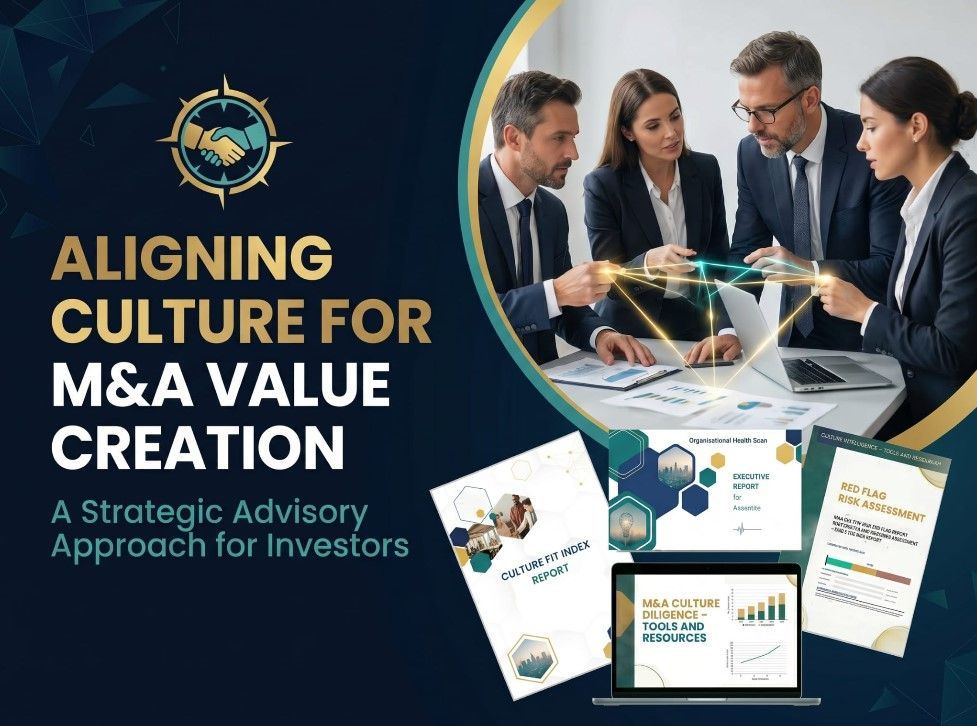
If you want to move beyond anecdotal culture discussions and put hard data behind your deal decisions, the Organisational Health Scan (OHS) is built precisely for that purpose. It translates the 5 Levels of The Management Shift into a practical, 120‑point culture diligence engine that quantifies human risk, validates execution capacity and provides a clear integration roadmap for M&A, growth to exit, and post‑deal acceleration.
Learn more about using the
Organisational Health Scan
for culture diligence in your next deal,
click here!